



www.NOVA-Antiques.com does not manage, own, promote or operate the antique shows, flea markets, estate sales or auctions listed on
these pages. All information is provided as a service to our subscribers and clients. Although we try to verify all listings
for antique shows, flea markets, estate sales and auctions prior to publication, there are times that date, location and times changes
are made by owners, managers and/or promoters that are not communicated to us in a timely manner. It is a good idea to check
with the owners, managers or promoters to make sure the event is being held before embarking on a journey.
Upcoming Antique Shows & Flea Markets
NOVA-Antiques.com provides the most comprehensive antiques show and flea market calendar
for the Mid Atlantic region.



















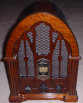

One of the first things that I ever sold on eBay was a vintage radio that had been sitting around the house
for a long time. I had picked it up at an auction in Buffalo and although I was not a newbie to buying and selling antique and
vintage items, it was the first time that I had sold anything to anyone outside of the old neighborhood. For a few years after
that, I went into a frenzy; scouring flea markets, estate sales, yard and garage sales in search of more vintage radios and then rotary
phones that I could sell on eBay.
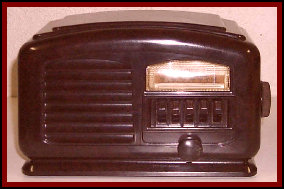
How Can You Tell if it’s Bakelite?
Bakelite is a generic term for the scientific compound phenolic resin, which was invented by the
Belgian born Dr. Leo Baekeland. This material that was popularly used in the early 20’s through the 40’s is made of carbolic
acid and formaldehyde and is generally known as an early plastic that was non-flammable. Bakelite can be found in a wide range
of early products including, automobile insulators, jewelry, flatware handles, phones and aviator goggles. The compound was
first patented by the Catalin Corp in 1927 and is responsible for nearly 70% of Bakelite that exists today.
How can you tell if its real Bakelite? Bakelite is usually lighter than Lucite and normally lacks mold lines. It
is rich in color, in general, yellow, mustard, greens and brown. One test most collectors use is the rub test. Rub the
piece of Bakelite with your thumb until your thumb gets hot. Quickly smell the Bakelite, the odd smell should be like burning
wire insulation or nail polish remover. Others use the 409 test. Using the cleaner, Formula 409, swab a small amount on
the Bakelite. The swab should turn a yellowish color regardless of the color of the Bakelite.